1 · THE PUBERTY PARADOX
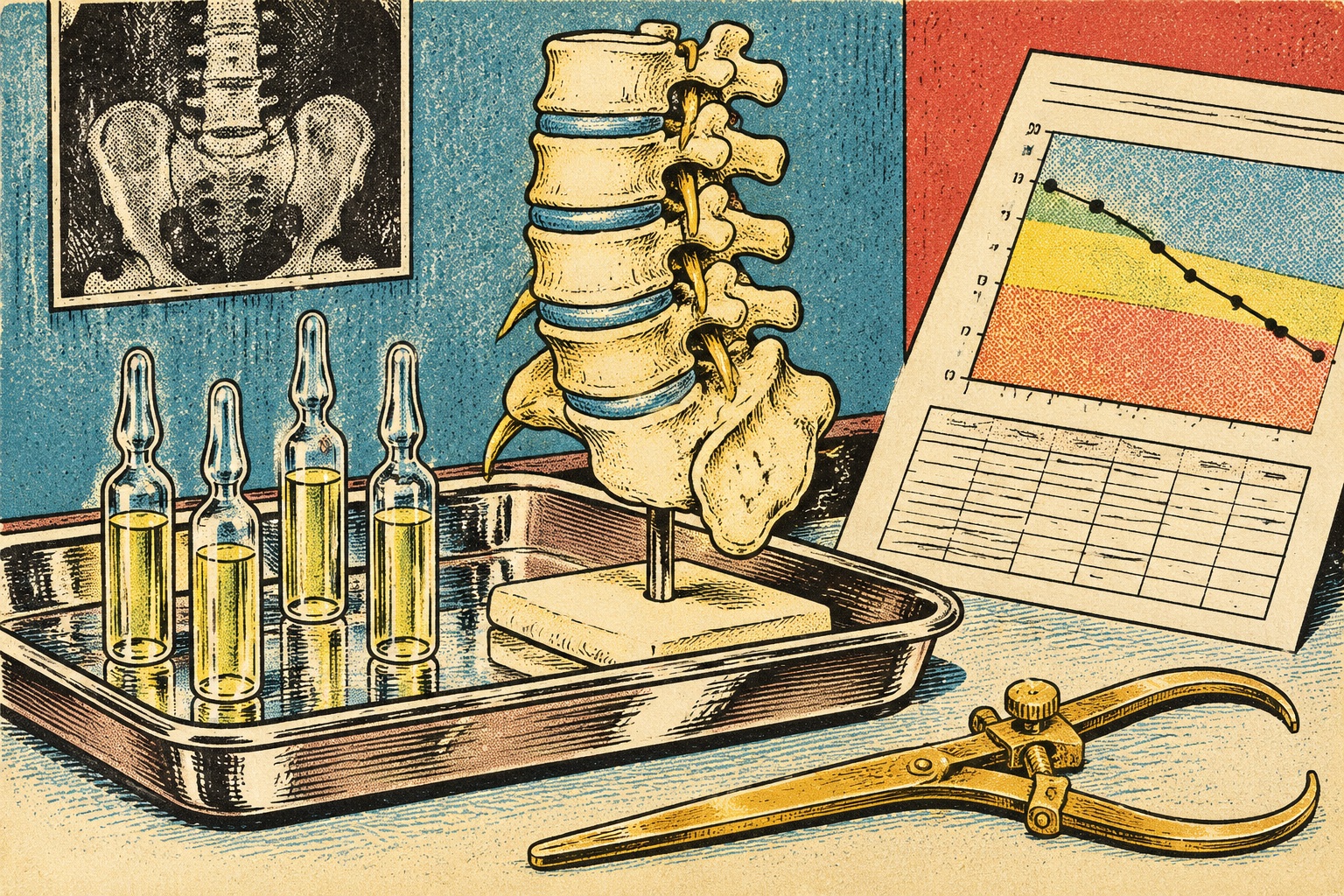
An Australian 35-year study showed spontaneous puberty starts in 63 percent of girls and 68 percent of boys, but then arrests. By adult transition, 77 percent of girls and 88 percent of boys require replacement therapy.
This site is not the association. US crisis calls: pwsausa.org · 941-312-0400. We do not answer that phone.
Adolescence brings a complex endocrine dilemma for families: puberty often starts on its own, but then stops progressing before sexual maturity. Without sex steroids, bone density plummets into osteopenia, while hypotonia weakens the spine. Yet many parents and clinicians delay testosterone or estrogen replacement out of fear of explosive aggression or unpredictable bleeding. Two large 2026 clinical cohorts provide long-needed answers on bone stabilization, behavioral outcomes, and surveillance protocols.
Most adolescents with Prader-Willi syndrome enter puberty spontaneously, but sexual development commonly arrests mid-course due to hypothalamic dysfunction. Over 75 percent develop hypogonadism requiring hormone replacement. A 2026 longitudinal cohort showed gradual testosterone therapy stabilized bone mineral density and improved lean body mass without triggering overall behavioral deterioration or severe aggressive outbursts.
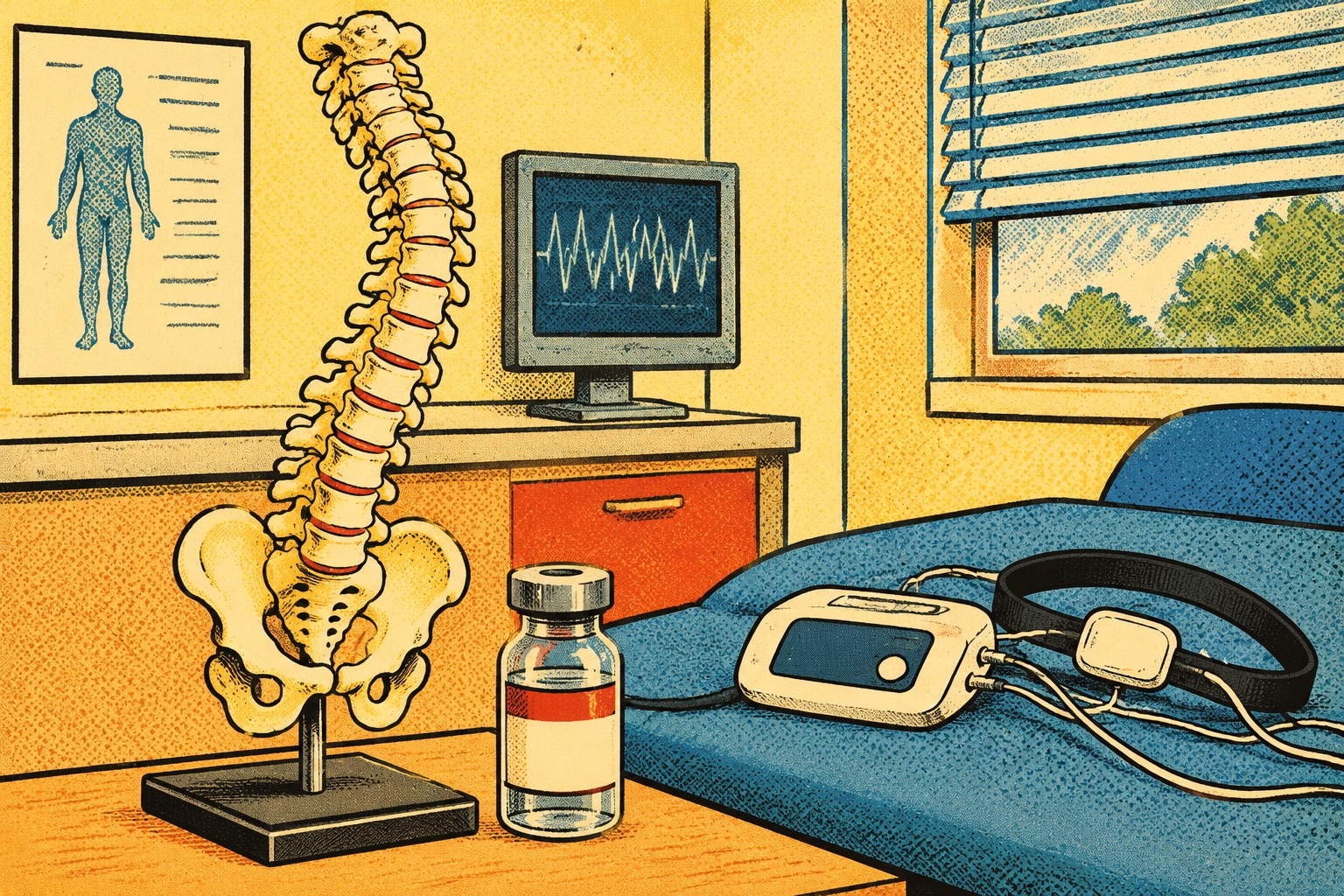
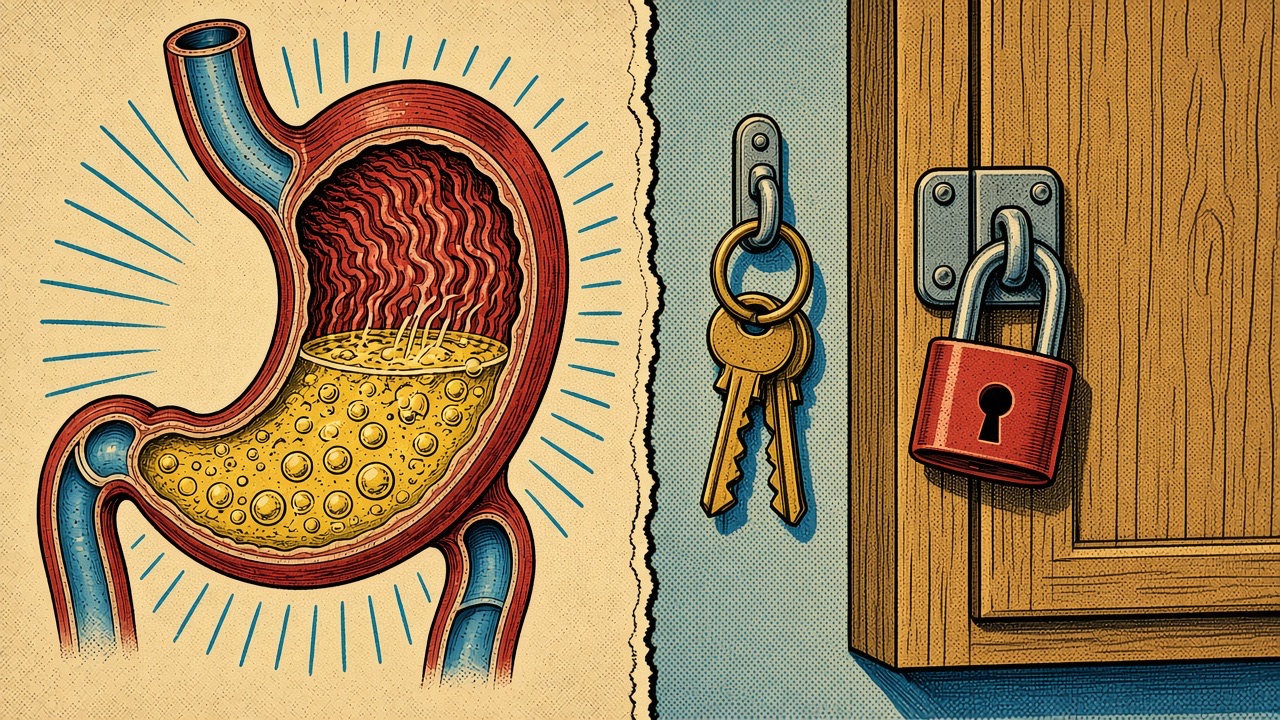
For decades, sex steroid replacement in Prader-Willi syndrome sat in an uneasy clinical shadow. Because temper tantrums, skin-picking, and emotional inflexibility are well-known behavioral traits, parents and physicians worried that administering testosterone would fuel aggression or behavioral crises. At the same time, in females with PWS, starting standard oral contraceptive pills frequently caused unpredictable breakthrough bleeding, leading 44 percent of young women to abandon therapy entirely.
Two groundbreaking 2026 papers in Clinical Endocrinology have completely reshaped this landscape. An Australian 35-year retrospective cohort (n=65) documented that while puberty onset appeared normal in approximately two-thirds of patients (median age 10.3 years in girls and 12.3 years in boys), sexual development failed to progress to full maturity. True hypogonadism was diagnosed in 77 percent of females and 88 percent of males prior to adult transfer. Femoral neck bone mineral density z-scores sat at a concerning median of -1.5. In parallel, a Dutch 5-year longitudinal cohort of 59 males aged over 14 years demonstrated that low-dose, carefully titrated testosterone replacement stabilized lumbar spine and whole-body bone density SDS while significantly improving lean body mass. Standardized Developmental Behaviour Checklist (DBC-P) total scores showed no statistically significant worsening, with over 68 percent requiring no modification in therapy.
| Clinical question | Older assumption | 2024 to 2026 evidence |
|---|---|---|
| Spontaneous pubertal signs | Development of pubic hair or early breast budding guarantees normal gonadal axis function. | Premature adrenarche is common, but central gonadarche arrests in 77 percent of females and 88 percent of males. Incomplete maturation requires formal endocrine evaluation. See growth hormone. |
| Testosterone and behavioral rage | Testosterone replacement therapy inevitably causes severe aggressive outbursts and temper tantrums. | A 2026 5-year longitudinal study of 59 males found no change in DBC-P total behavior scores. Over 68 percent had zero need for dose adjustments; only 6.8 percent permanently discontinued for behavior. |
| Bone mineral density and fractures | Growth hormone alone is sufficient to protect bones throughout adulthood. | Untreated hypogonadism causes rapid skeletal demineralization, with adolescent femoral neck z-scores averaging -1.5. Combining growth hormone with sex steroids maintains peak bone mass. See adulthood. |
| Hormone replacement in females | Standard high-dose oral contraceptive pills should be started without specialized bleeding plans. | A 2025 study showed a 44 percent discontinuation rate primarily due to unpredictable breakthrough bleeding. Gradual transdermal estradiol with cyclic micronized progesterone improves compliance. |
| Surgical considerations | Sex hormone therapy has no impact on perioperative risk or recovery. | Optimizing bone mineral density and paravertebral muscle mass reduces hardware complications in scoliosis spinal fusion. See surgery & anaesthesia. |
A 2026 longitudinal study of 59 males with PWS on growth hormone found that testosterone replacement therapy did not significantly change total behavior checklist scores over 5 years. Over 68 percent required no dose reductions or discontinuation due to behavior, and only 6.8 percent permanently stopped therapy. Starting at low doses and titrating slowly under endocrine supervision protects bone density while minimizing behavioral disruption.
No. An Australian 35-year cohort published in 2026 found that while 63 percent of females and 68 percent of males enter puberty spontaneously, sexual maturation typically arrests mid-course. By transition age, 77 percent of females and 88 percent of males demonstrated true hypogonadism requiring hormone replacement. Early pubic hair often reflects premature adrenarche rather than intact gonadal function.
Without sex hormones, adolescents with PWS face accelerated bone loss, with femoral neck bone mineral density z-scores averaging -1.5. Chronic hypogonadism also reduces lean muscle mass and worsens hypotonia. 2026 evidence demonstrates that pubertal hormone replacement stabilizes lumbar and whole-body bone density and improves lean body mass without increasing behavioral crises.