1
NICU
Methylation ordered? Volumes written down? Endocrine booked?
This site is not the association. US crisis calls: pwsausa.org · 941-312-0400. We do not answer that phone.

Most summaries mention two stages: a baby who cannot feed, then a child who cannot stop. Miller and colleagues followed feeding over time and described seven phases. Around age two (median 2.08 years in that cohort), calories and appetite had not clearly increased, but weight had. Many families wait until hunger is obvious. Hyperphagia in their data had a median onset around age 8. Food storage usually needs to change earlier than that.
Methylation ordered? Volumes written down? Endocrine booked?
Start controlling food storage before hunger looks obvious.
Vomiting is uncommon. Vomiting plus bloating needs the ED.


| Phase | What Miller recorded | Related page |
|---|---|---|
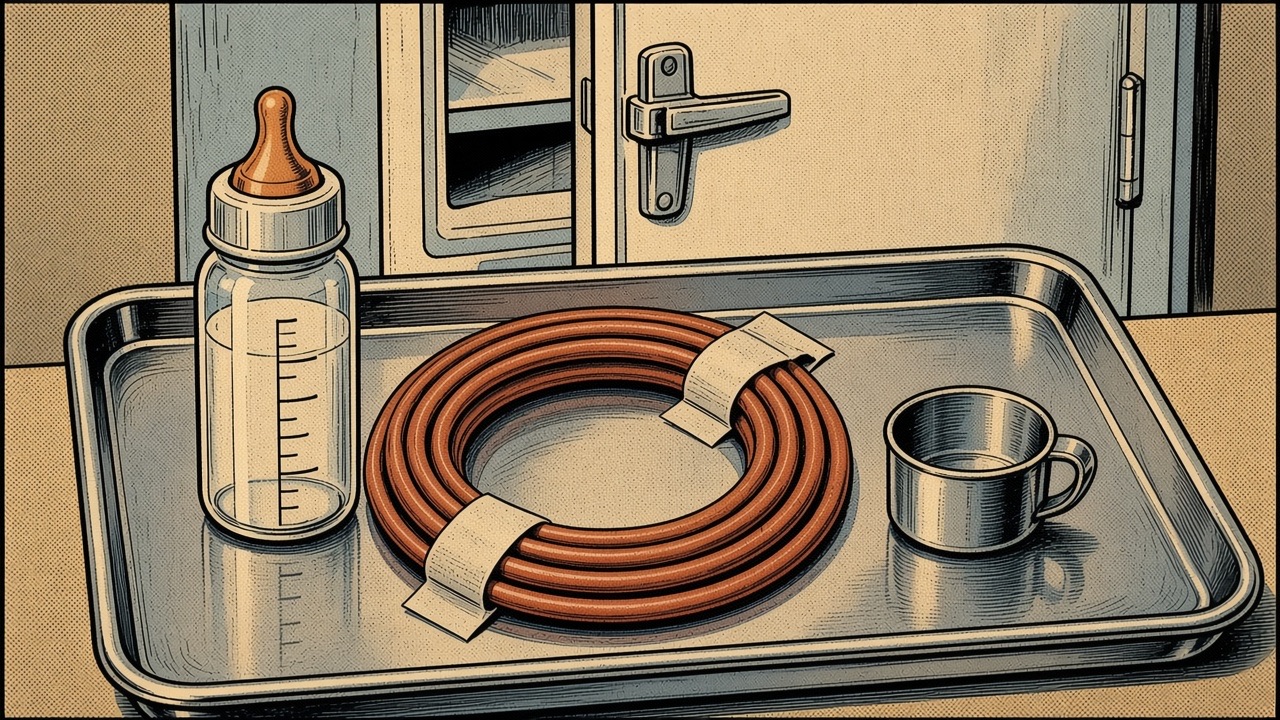
| 1a | Birth to about 9 months. Weak suck. Failure to thrive is common. | Tube feeding if needed. No lock yet. NICU. |
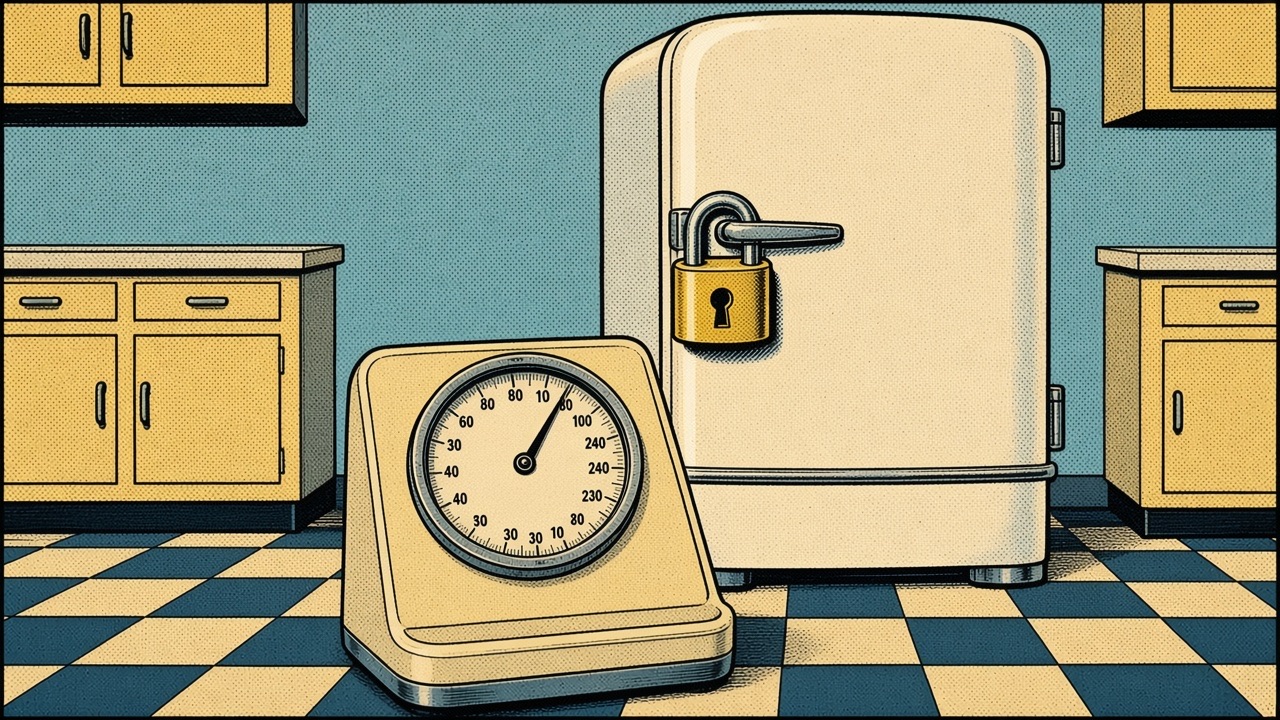
| 2a | Median 2.08 years. Weight up. Appetite not clearly up. | Many families start locking then. Food storage. |
| 2b | Median 4.5 years. More interest in food. Satiety can still happen. | School snacks. School. |
| 3 | Median 8 years (often 5 to 13). Satiety is usually poor. | Hyperphagia. Drugs. |
| Emergency | Vomiting, a swollen belly, surgery, or a cold room. | Emergency. |

No. The organisation is pwsausa.org. This domain used to redirect there. See history.
Some people think so if they assume a typical appetite. Satiety is impaired here. Locks reduce sneaking and gastric risk. The association calls this food security. Details.
The FDA approved VYKAT XR in 2025 for hyperphagia from age 4. Carbetocin failed a 175-person phase 3 the same year. Infant oxytocin is still European research, not something to buy online. Table.